nuAmple
PRODUCT DESIGN
SOCIAL IMPACT
2024
TIMELINE
September, 2024 (Ongoing)
TEAM
1 Design Lead
ROLE
Product Designer
SKILLS
Figma, User Research, Workshop Facilitation
The first version was wrong. Here's what changed.
The first version of nuAmple was built for people without a home. Then we talked to the people trying to help them, and everything changed.
Frontline workers navigate 211 Ontario dozens of times a day. Over 20,000 listings, no smart search, no memory of what worked last time. Just a worker, a person in crisis, and a clock running.
Why we changed direction
Ample Labs originally designed for the end user, someone experiencing homelessness navigating the system alone. But early workshops revealed a different leverage point. The people fielding calls, sitting across the table, doing intake, they were the ones drowning in fragmented information.
Designing for the worker wasn't abandoning the mission. It was finding where the friction actually lived.
The real problem was who we were designing for
Frontline workers operate in high-pressure, time-sensitive environments and rely on databases like 211 Ontario, which are rich in information but difficult to navigate.
What I owned
Discovery & Framing
Facilitated workshops, conducted interviews, and translated insights into JTBD opportunities.
Rapid Product Design
Turned ideas into a quick prototype, then refined them into mid-fidelity flows and screens.
AI & Brand Direction
Designed the AI prompt builder while shaping the visual identity and overall product feel.
RESEARCH
What we assumed, and what James actually told us
James described a typical search: open 211, type something broad, scan 40 results, open tabs, cross-reference a binder, call a number that's been disconnected. The problem wasn't missing information. It was that getting to the right information required expertise most workers hadn't built yet.
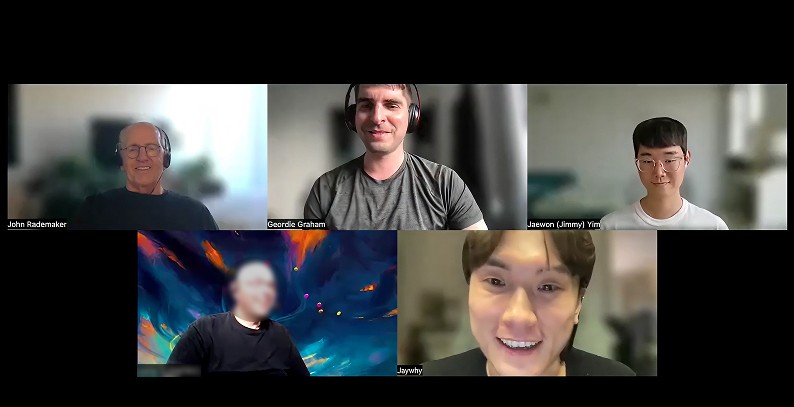
I use the CMHA quick guide, 211, Connect Ontario, and ChatGPT. That's the best $40 I spend every month. And we still can't always find what we need fast enough.
James
Frontline Worker
The problem wasn't search. It was the question.
The challenge was not just information overload, but supporting people through fragmented, low-tech systems under pressure. James’s interview showed a need for faster access to trusted options without losing clarity, empathy, or user agency.
Low-Tech Reality
Many service users still rely on printed guides, brochures, and phone calls, so support systems cannot assume consistent digital access.
Fragmented Information
Workers rely on 211, CMHA, internal knowledge, and separate directories, often repeating searches across disconnected systems.
Agency Over Pressure
James emphasized offering options in a simple, empathetic, and direct way without making the process feel overwhelming or retraumatizing.
How Might We
How might we help frontline workers access the right resources faster by reducing the cognitive effort of prompting and searching?
IDEATION
Reframing around intent, not features
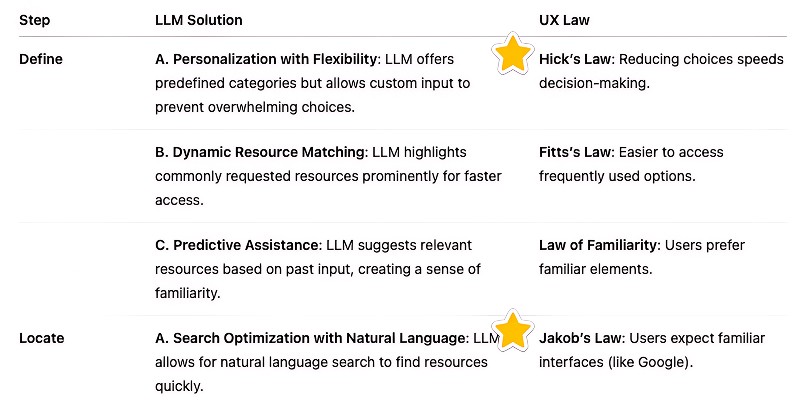
Workers weren't failing at searching. They were failing at asking. One statement anchored the whole design direction:
"When I'm with someone in crisis, I need to find the right resource in under two minutes, without knowing the correct keywords in advance."
That ruled out a traditional search box entirely.
What we tested first, and what failed
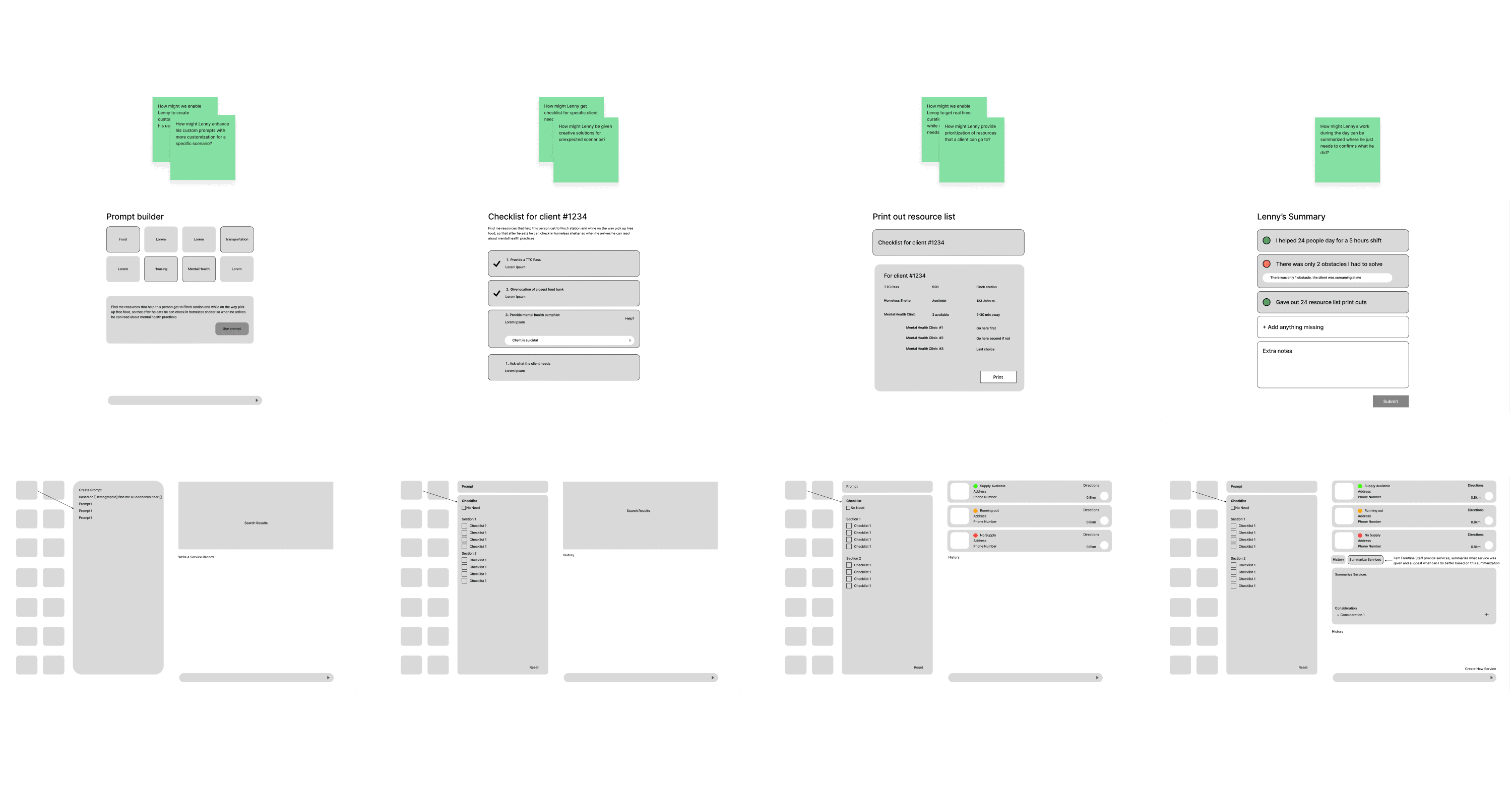
Using the JTBD statements, I translated key problems into “How Might We” questions and ran Crazy 8s to rapidly explore interaction patterns and prompt structures grounded in real user needs.
Iteration into mid-fidelity concepts
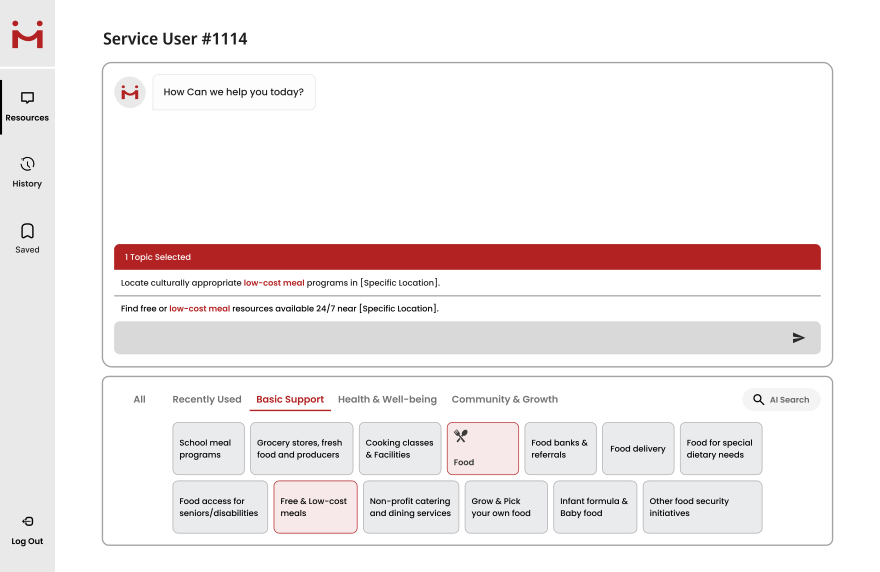
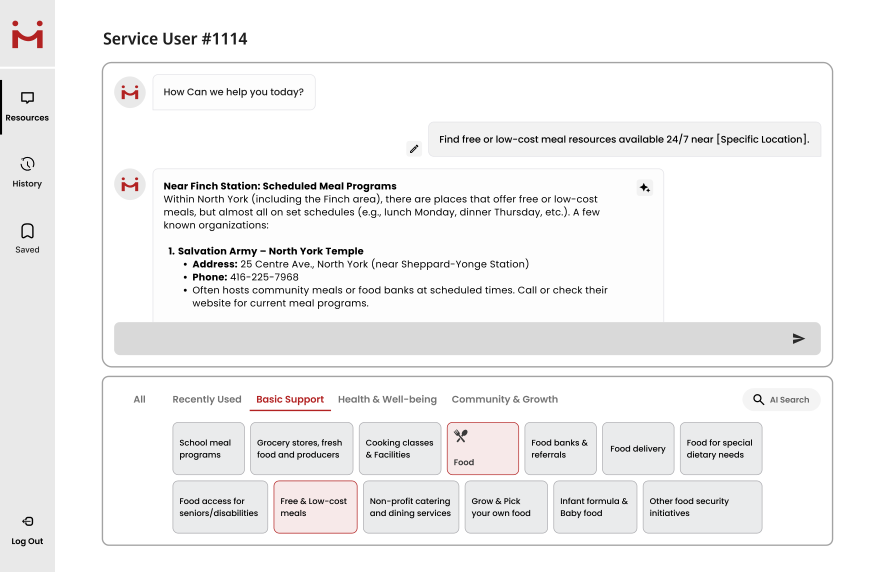
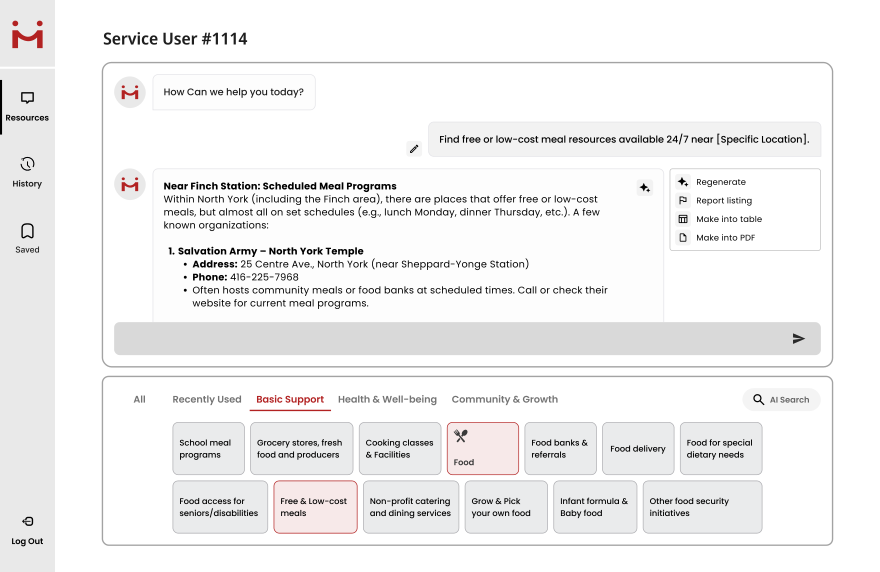
From rapid prototyping, I turned the concept into clearer flows and screens, using structured prompts and guided inputs to reduce friction, lower cognitive load, and help users reach relevant results faster.
THE PROMPT BUILDER
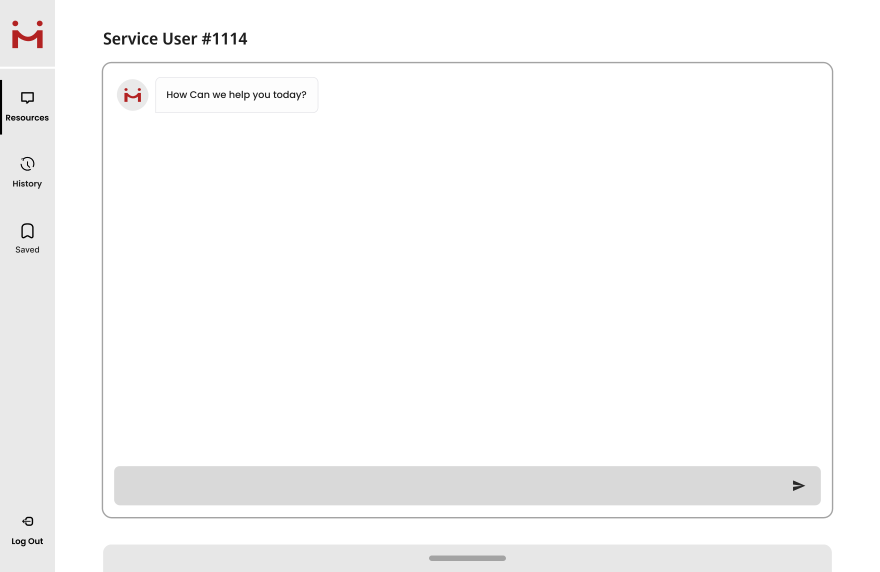
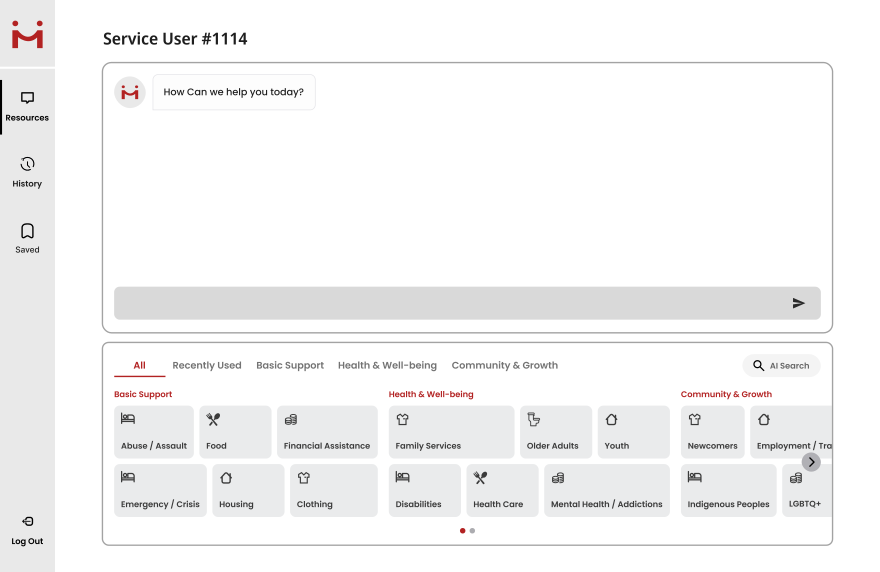
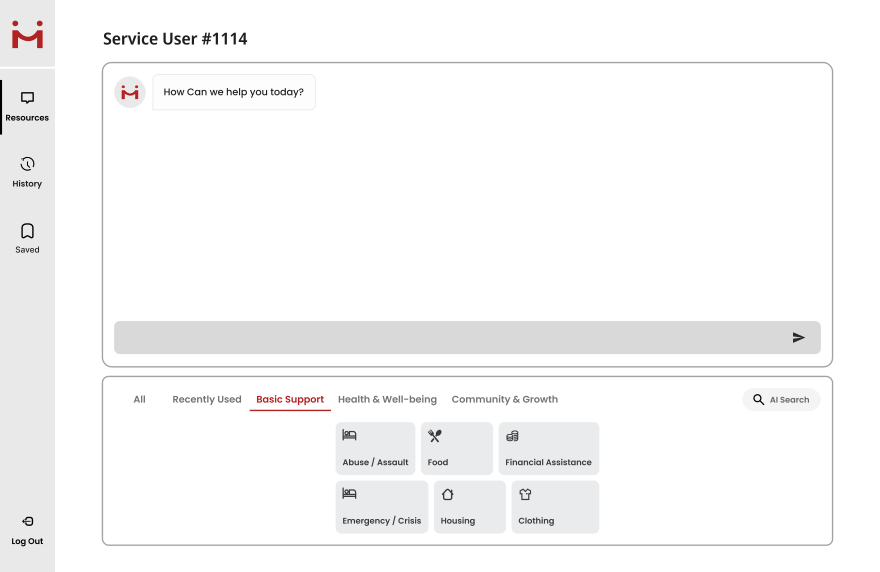
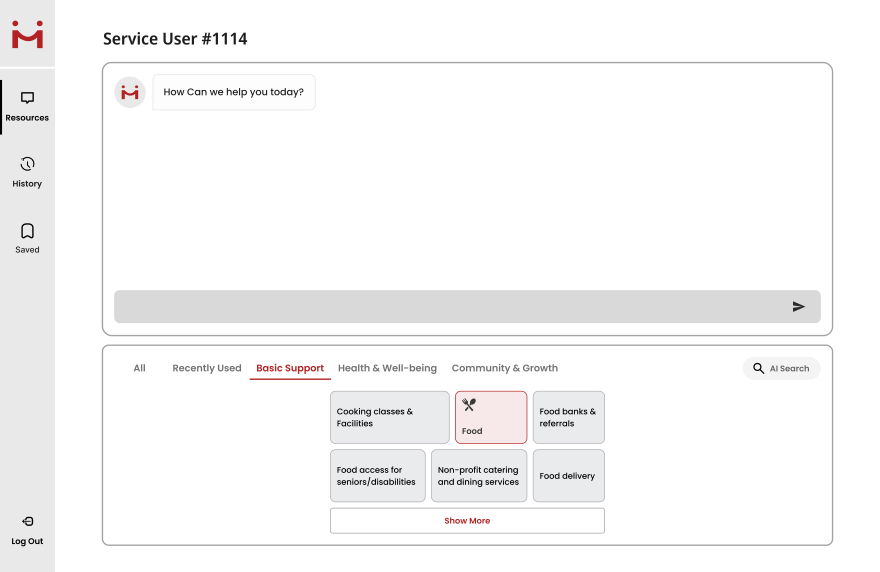
Prompt Builder
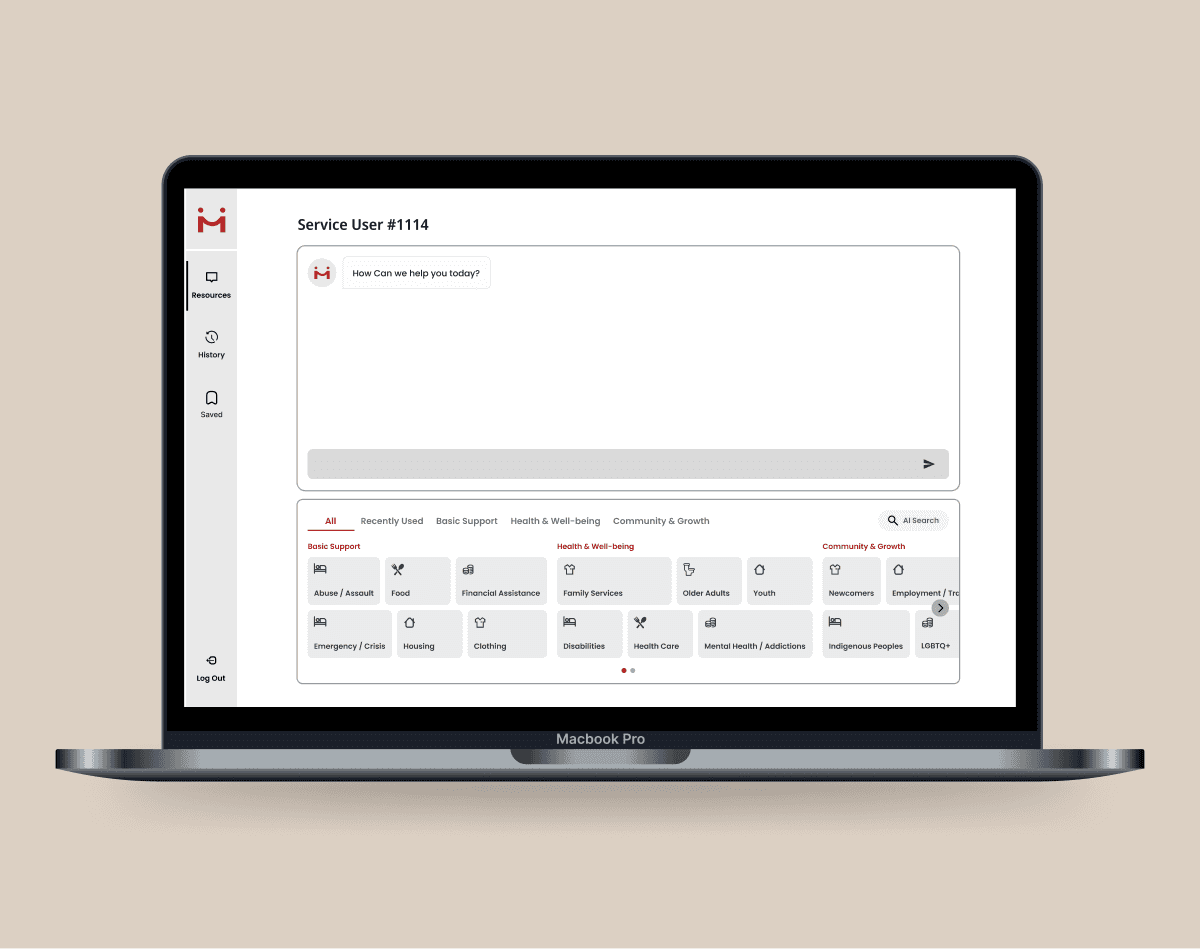
The latest design introduces a Prompt Builder that helps users quickly structure requests and find relevant resources using familiar LLM patterns, prioritizing clarity and low cognitive load in high-stress situations.
What shifted, and what's still open
The Prompt Builder reached a testable mid-fidelity prototype validated with 2 frontline workers. Structured prompting reduced the back-and-forth needed to find a usable resource.
Concrete deliverables: a validated product direction, a repeatable research framework, and a design system a small nonprofit team could maintain. No live data or shipped product yet. That's what the next phase is focused on closing.
NEXT STEPS
What’s next
Continued User Research
Conducted more user interviews to validate needs and deepen understanding.
Iterative Refinement
Refined the product based on feedback from users and close collaborators.
Outreach & Funding
Prepared public-facing materials and shaped a roadmap for future funding.
What I'd do differently
Empathetic Adoption
Nonprofit teams adopt tools that feel built for them, not pitched at them. Trust had to come before behaviour change.
Better Questions Matter
Asking "when does this go wrong?" gave us a different problem to solve than "what do you want?" That shift changed everything we designed.
Think by Writing
Designing for crisis contexts meant one constant pressure-test: would this hold up at 4pm on a Friday when someone is exhausted? That question drove most interaction decisions.